


Engineered for Performance


Wet or Snowy Roads
Unpaved Roads
Passport TrailSport Elite shown in Sunset Orange* with Honda Genuine Accessories.
Towing & Hauling
Ridgeline TrailSport shown with Honda Genuine Accessories. Honda reminds you to properly secure cargo items and follow all applicable load limits and loading guidelines. Maximum towing capacity for AWD trims is 5,000 lbs. Towing requires accessory towing equipment. Please see your Honda dealer for details.
How Torque Vectoring Works


Snow Mode

Mud Mode

Sand Mode
Unibody Construction
ACE™ Body Structure
The Advanced Compatibility Engineering™ (ACE™) body structure is a Honda-exclusive body design that enhances occupant protection and crash compatibility in frontal collisions.
Steering Hanger Beam
To help improve ride and handling, as well as improve the fit and finish of the instrument panel, the steering hangar beam is made of light-weight cast magnesium.
3-Bone Front Floor Structure
In the event of a frontal collision, the 3-bone front floor structure is designed to help channel energy away from the passenger cabin.
Unibody Critical Joint
A strong connection between the truck bed and cab is vital for towing and hauling capability. By integrating the bed rail into the C-pillar and reinforcing it with spot welding, Honda engineers improved torsional rigidity by 28% over the first-generation Ridgeline.
Truss-Style Rear Inner Construction
To improve towing and hauling capability, the body sides and rear tailgate frame are fully boxed for enhanced rigidity.
Advanced Suspension Systems
With independent multi-link suspensions, Honda SUVs and trucks not only offer nimble handling and smooth rides—they’re also built to stay steadfast in off-road conditions, making easy work of dirt and gravel.
Towing Prowess

Designed for Extremes
Designed for Extremes
Gallery
Honda Trail Experience
The Honda Trail Experience app is designed for TrailSport trims on the 2026 CR-V, Passport, and Pilot, bringing real-time trail data and vehicle readouts to your adventures. Download the free app and discover available features.
-
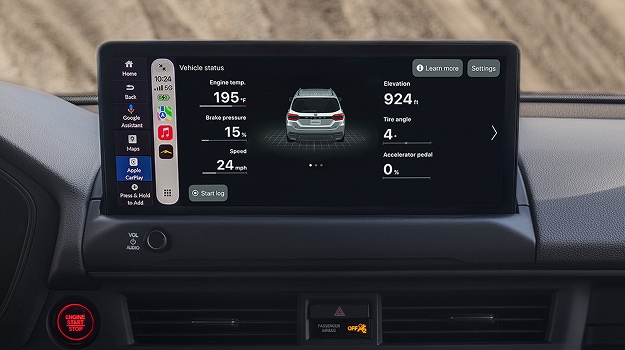
Log The Drive
Take on rugged terrain with more confidence through 11 available real-time vehicle data points that keep you aware and in control, including everything from elevation and pitch to tire angle and speed.
-
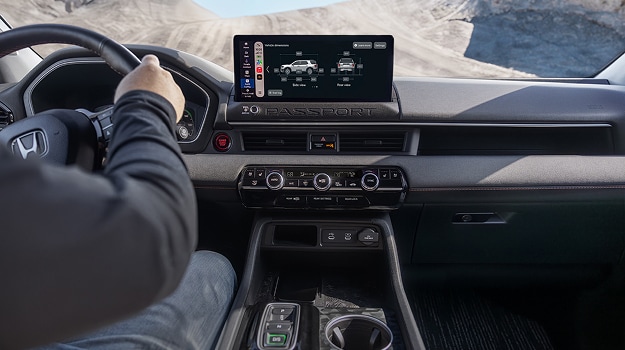
Capture The Adventure
Track your TrailSport adventures through interactive maps that capture GPS, timestamps, and vehicle data, so you can revisit challenging trails and share your experiences.
-
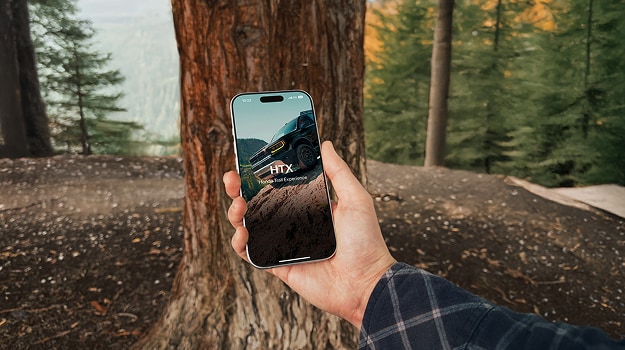
Share The Experience
Share your off-road experiences with friends, family and fellow TrailSport explorers on social media.


